Website design by Qualls

We build websites that look sharp, work hard and stay easy to manage.

Qualls designs and builds custom websites for organisations that need more than a pretty homepage. We bring structure, content, design and development together so the site feels useful from launch and manageable after handover.

Prefer to talk? +61 452 189 212

What makes a useful website

Better structure, better content, better CMS, better performance.

A useful website is not just a visual refresh. It needs to make sense to visitors, search engines, editors and the team that has to keep it alive after launch.

Website services

Design and development from structure to launch.

UX & journey mapping

Design with the user in mind.

User flows and journeys mapped so the path to action feels obvious.

UX & journey mapping

Design with the user in mind.

UX and journey mapping is the work of plotting the path someone takes from first landing to doing the thing you want them to do. Where they arrive, what they need to know, what they are trying to decide, and what gets in the way. We map the real route, not the one on the org chart, because a brand is judged on whether the next step is obvious, not on how good the homepage looks.

It matters because most sites lose people in the gaps. A confusing menu, a form that asks too much, a service page that buries the answer. Every one of those is a place where trust leaks out and someone leaves. Get the journey right and the rest of the build gets easier: the design has a job, the content has an order, and nobody argues about the homepage for three weeks.

We start by naming who is actually visiting and what each of them came to do. Then we map the flows, sketch the key screens in low fidelity, and pressure-test the path before a pixel is polished. We make the hard calls early so the finished thing feels effortless, which is the whole point. Plain routes, fewer dead ends, an obvious next step on every screen.

Open page

Content strategy

Content that drives results.

A plan for what to say, where, and in what order, across every channel.

Content strategy

Content that drives results.

Content strategy is the plan beneath every word on your site, in your inbox and across your channels. Not a list of blog topics. A decision about what you say, who you say it to, where it lives and what order it lands in, so the people you want to reach get the right thing at the right moment. Without it, content gets written page by page, by whoever has time, and the story drifts.

It matters because content is where most of the buying happens. Someone reads a service page, an email, a project write-up, a form. If those are vague, padded or out of order, you lose them quietly. A clear plan makes the important thing easy to find and the next step obvious, and it keeps every channel telling the same story instead of six versions of it.

We start with what you actually need to say and who needs to hear it, then build the structure to hold it: a content model, a hierarchy, a publishing rhythm your team can keep. We map it to how people search and how they decide, write it in plain language, and hand you a system you can run without us. The aim is content that still works after the launch, not just on it.

Open page

Web design & development

Design meets function.

Responsive sites that look the part and work on every device.

Web design & development

Design meets function.

Web design and development is where a brand becomes a place people actually use. The look matters, but so does how fast a page loads, how quickly someone finds the one thing they came for, and whether the form at the end respects their time. We build sites that hold up on a phone in poor signal as well as a big screen, because that is where most people will meet you.

Design and build are one job here, not two handoffs. We design in the browser early, so what you sign off is what ships: real type, real spacing, real behaviour on a small screen. The structure underneath gets the same care as the surface, which is why the result feels simple to use even when the content behind it is not.

We build on a CMS your team can actually run, so the site stays current without a developer on call for every edit. Clear content models, sensible fields, fast pages and clean code. The aim is a site that still works months after launch: easy to update, easy to find, and easy to extend as you grow.

Open page

Content management (CMS)

Take control of your content.

Craft, WordPress or bespoke: a platform your team updates without a developer.

Content management (CMS)

Take control of your content.

A content management system is the part of your brand that your team lives in. It decides whether publishing a new project, hire or campaign page takes five minutes or a support ticket. Most platforms arrive with strong opinions about what a page is and how much control you should have. That is fine for a basic blog. It falls apart the moment your content has real structure: projects, products, people, services, case studies, the pieces that need to appear in more than one place.

We build the content model around how you actually work, not around a template. For Seadar, that meant a Projects channel with real fields: project type, client, contractor and a repeatable scope list, so every job is captured the way they describe it on site. The right fields and relationships, set from the start, so the control panel matches the way your organisation thinks and the front end gets clean content to work with.

The goal is the right amount of control, not the most buttons. Too little and every edit becomes our job. Too much and the site turns into a scrapbook of one-off decisions. We shape the authoring experience so editors can publish, manage assets and preview pages without touching code, while the design system holds the brand together. Craft, WordPress or bespoke: we pick the platform that fits the work, then build it so the site keeps moving after launch day.

Open page

Search (SEO)

Get found online.

On-page and off-page work that lifts your ranking and brings the right traffic.

Search (SEO)

Get found online.

Search is how people find you when they already have the problem you solve. They type it into Google, they ask an AI assistant, and a handful of results come back. SEO is the work that gets you into that handful, for the searches that actually matter to your business, not just the ones that look good in a report.

We split it the way the work splits. On-page is everything you control: the structure of your site, the words on the page, the titles and headings, the speed, the way it behaves on a phone. Off-page is the trust signals from elsewhere: links, mentions, the signs that other credible sites take you seriously. Most of the lasting wins come from getting the on-page foundation right, because a clear, well-built site is one search engines can read and people want to stay on.

We start with what you want to be found for, then build the content and structure to match. That means real keyword research, a site organised around how people search, and pages written to answer the question, not stuff a phrase. Then we measure it, so ranking is something you can see moving, not something you take on faith.

Open page

Data & analytics

Make informed decisions.

The metrics that show what's working, so the next call is an informed one.

Data & analytics

Make informed decisions.

Data and analytics is how you find out whether the work is working. Not vanity numbers on a dashboard nobody reads, but the few measures that map to what you actually want: enquiries, signups, sales, the form that gets finished instead of abandoned. The point is a clear read on what is happening, so the next decision rests on evidence rather than the loudest opinion in the room.

It matters because guesswork is expensive. Without measurement, you redesign on a hunch, pour spend into the channel that feels busiest, and argue about the homepage with no way to settle it. Good analytics tells you what to keep, what to cut and where the drop-off really is. It turns "we think" into "we know", and it makes the brand better the longer it runs.

We start from your goals, not the tool. We work out what success looks like, set up clean tracking you can trust, and build a view that answers real questions at a glance. Then we read it with you in plain language: what changed, what it means and what we would do next. No dashboard theatre, just the numbers that earn their place.

Open page

Relevant work

Proof in market.

See all case studies

Platforms

The stack should fit the project, not the other way around.

Qualls can work with suitable CMS and static approaches depending on the brief. The important part is choosing a setup that supports the content, performance, editing needs and long-term maintenance plan.
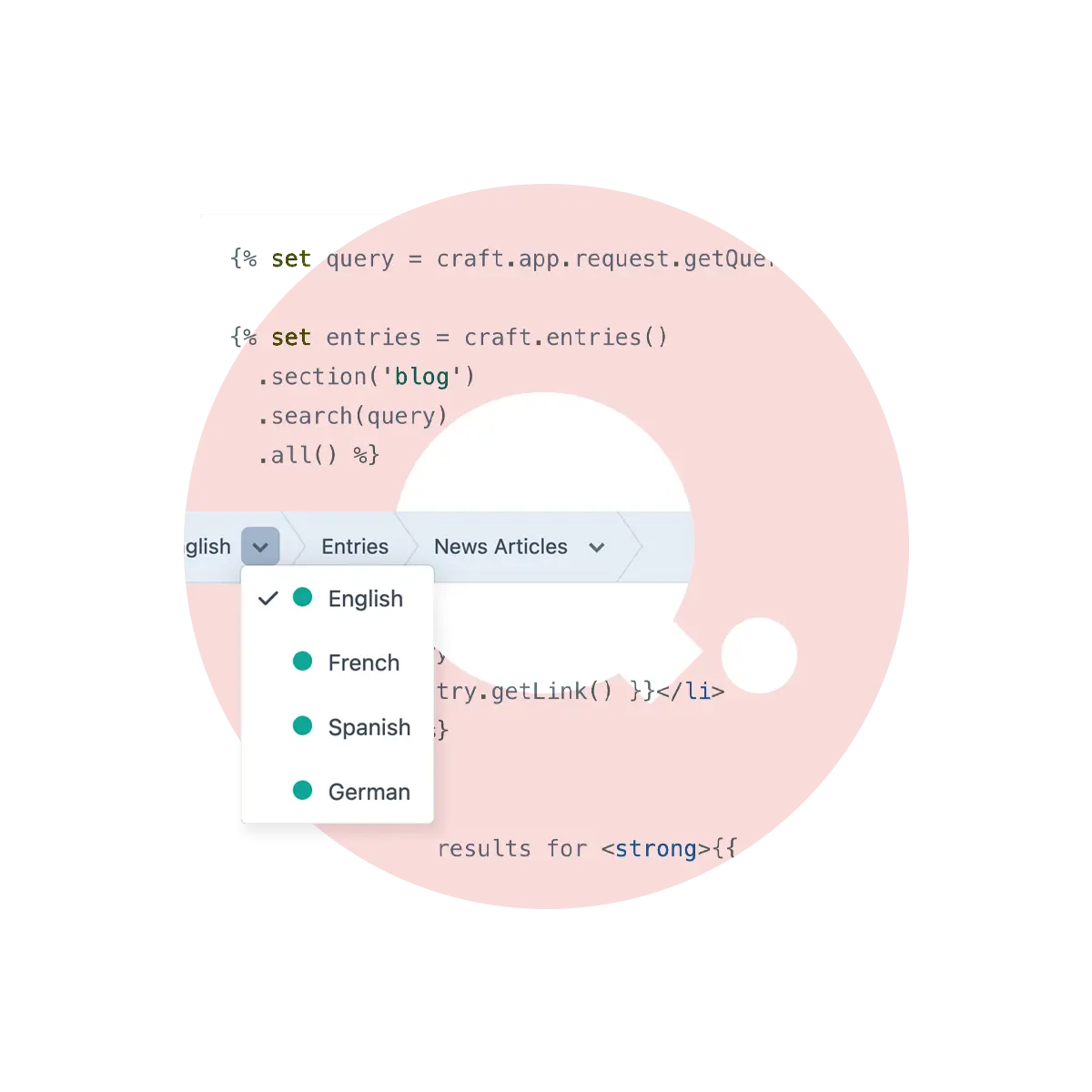
Qualls editorial graphic for the Craft CMS article Why we like Craft CMS A CMS is part of the brand system. Craft earns its keep by fitting the content model to the client, not the client to the template.

Website project checklist

Useful questions before a website brief.

Process

A simple path from rough to ready.

Every website project has its own shape, but this is the rhythm you can expect from us. We keep the work moving, make decisions visible and bring you in at the points where your input matters most.

  1. 01 Consult Understanding your needs

    We start with a useful conversation about goals, pressure points, audiences and what the site really needs to change.

  2. 02 Collect Gather information and assets

    We pull together the existing content, brand pieces, analytics, technical details and anything else that helps us see the full picture.

  3. 03 Collaborate Discuss solutions together

    We work through structure, content priorities and design direction with you, so the decisions are shared before production gets heavy.

  4. 04 Coordinate Prepare the plan of action

    We turn the moving parts into a practical plan: scope, timings, responsibilities, content needs and the order things need to happen.

  5. 05 Conceive Develop early executions

    We shape the first site ideas, key page treatments and interface patterns so everyone can see where the work is heading.

  6. 06 Create Craft the deliverables

    We design, write, build and connect the pieces: pages, components, CMS logic, tracking and launch-ready details.

  7. 07 Clarify Refine the output

    We review the work with you, tighten the content and design, test the important flows and make the final calls before launch.

  8. 08 Count Measure the results

    Once the site is live, we help check what is happening, what needs attention and what should be improved next.

Questions

Frequently asked.

Do you design and build websites?

Yes. We can help from the first messy sitemap through to launch. That can include website strategy, content structure, interface design, front-end development, CMS planning, analytics and the practical handover pieces your team needs.

What CMS do you use?

We and our customers love their projects in Craft CMS, especially when the content model needs to be thoughtful. That said, we can work with pretty much any CMS under the sun, and we are happy to walk through the options during kickoff.

Can you redesign an existing website?

Absolutely. We will look at what is already working, what is getting in the way and what needs to change, then rebuild the site around a clearer structure and a better user experience.

Do you handle copy and content structure?

Yes. Content is usually where the real website work begins. We can write, edit, restructure or migrate content, and we will help turn the rough material into pages people can actually use.

Can you help with SEO foundations?

Yes. We will build in the sensible foundations: page structure, metadata, internal links, performance basics, accessibility and analytics. If you need deeper ongoing SEO work, we can scope that separately.

What happens after launch?

We do not disappear the second the site goes live. We can help with handover, CMS guidance, launch checks, early fixes and ongoing improvements if the site needs regular care.

Start a project

Let's make something useful.

Send the rough version. A few clear sentences are enough to start.