
Program

Complex Offer Clarity

Make the complex easier to understand and easier to choose.

Complex offer clarity summary

Complex Offer Clarity turns a difficult-to-explain product, service portfolio or organisation into a proposition people can understand, navigate and act on.

We organise the offer, establish what matters most and connect the message to the sales, content and digital experiences that carry it. The purpose is not to flatten the complexity. It is to give it a structure people can follow.

The value is real, but the path to it is not clear.

  • Every sales conversation needs too much explanation

    The value is real, but it depends on a knowledgeable person being present to translate it.

  • The website mirrors the organisation chart

    Information is structured around internal teams rather than the questions customers or stakeholders are trying to answer.

  • The offer has grown without a clear architecture

    Services, products and sub-offers overlap, use inconsistent language or compete for attention.

  • Different teams tell different versions of the story

    Marketing, sales, leadership and delivery all describe the same organisation in different ways.

  • Important detail is obscuring the decision

    Everything is being presented at once, so people cannot tell what matters now and what can wait.

A structure people can follow and a decision they can make.

  • A sharper and more useful value proposition
  • A clear structure for products, services and messages
  • Shared language across leadership, marketing and sales
  • Easier-to-navigate content and digital experiences
  • A more confident path from interest to action

Structure first. Then language, design and experience.

Strategy

Brand

Experience

Activation

  • Sales narrative and pitch presentations
  • Service and capability collateral
  • Explainer content, film and motion
  • Tender and proposal templates
  • Campaign adaptations
  • Internal message and training tools

From tangled offer to useful path.

01

Untangle

We gather the existing offers, messages, content and internal perspectives to see where the complexity is coming from.

02

Prioritise

We define the audiences, questions, proof and decisions that matter most, then organise the offer around them.

03

Design the path

We turn the structure into clear language, useful content and intuitive digital or sales experiences.

04

Prove it in use

We test the story across real pages, presentations and customer questions, then equip the team to keep using it consistently.
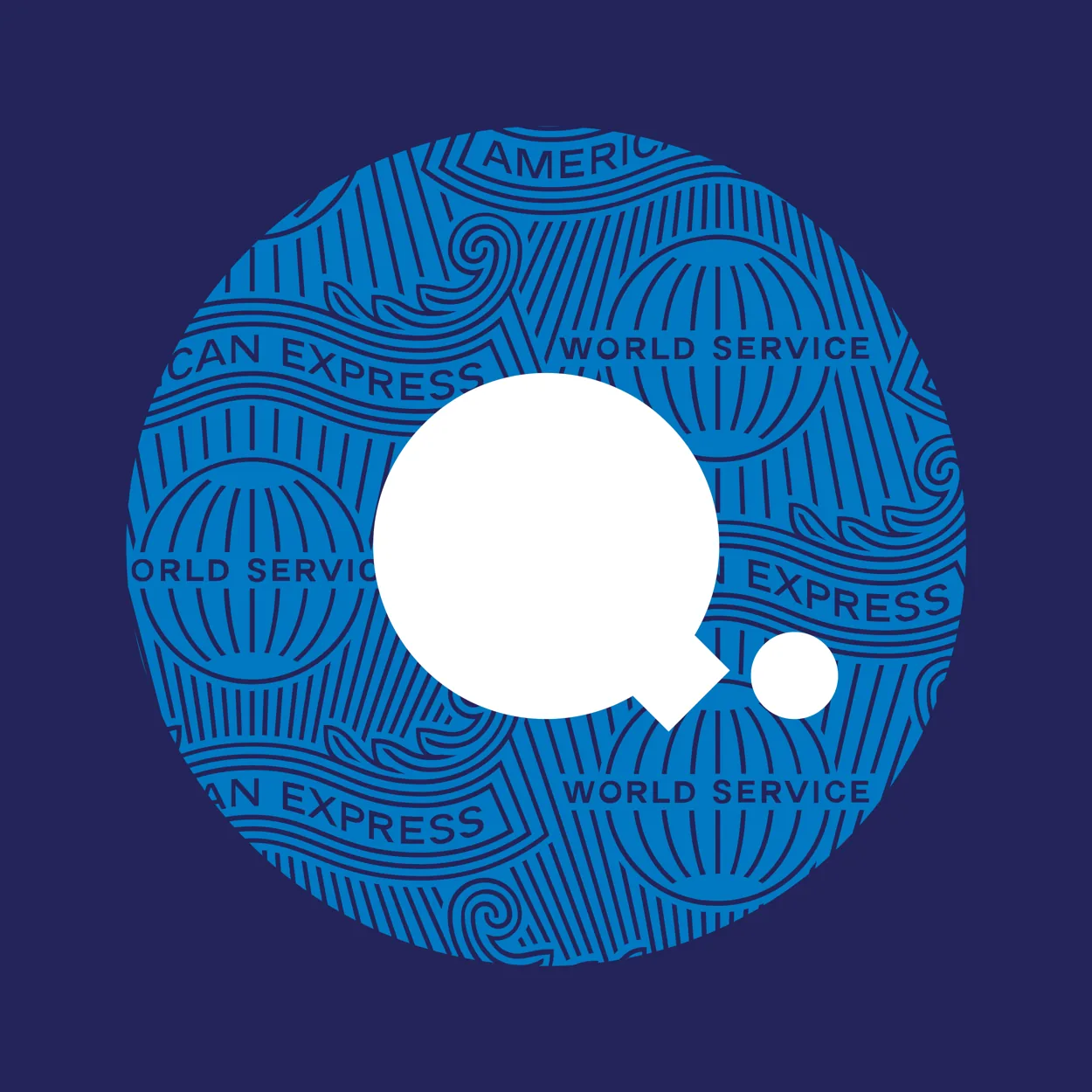
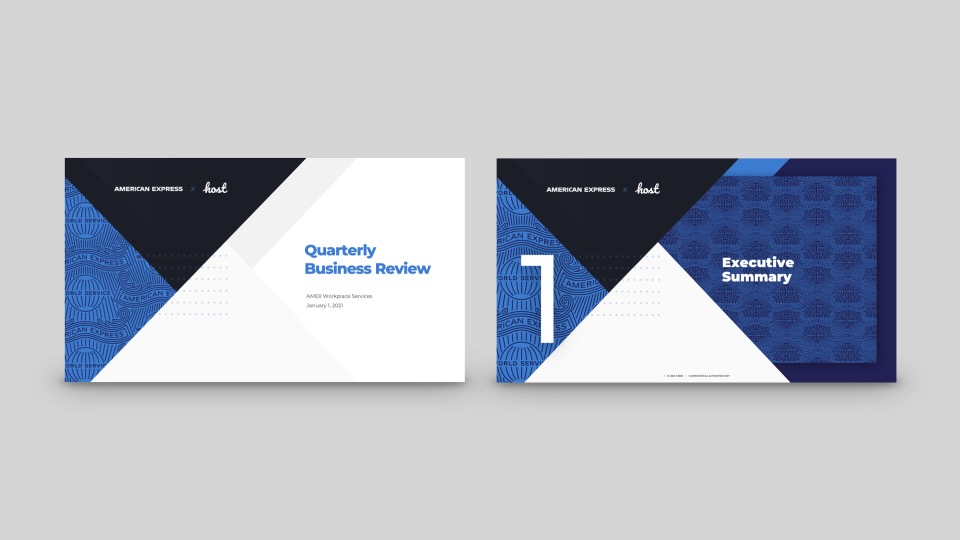
American Express and CBRE tenant presentation and editorial campaign design

A complex property story made more legible.

A large-scale tenant proposition needed campaign and pitch materials that could be understood in rooms where decisions happen quickly. Qualls used editorial pacing, strong hierarchy and a focused presentation system to make the opportunity easier to absorb.

The result was a clearer tenant story with the visual craft and confidence expected of a premium offer.

View the American Express + CBRE case study

Questions about making a complicated offer clearer.

What kinds of complex offers does this program suit?

It can suit technical products, professional services, healthcare, infrastructure, public services, property propositions and organisations with several audiences or interconnected offers.

Is this a copywriting program or a strategy program?

It is both when needed. Clear copy depends on decisions about the audience, offer, hierarchy and proof. We establish that structure before writing or designing the surfaces that carry it.

Will simplifying the message remove important detail?

No. The aim is to order the detail, not erase it. We make the central proposition easy to grasp, then give people a clear route into the depth they need.

Start here

If it takes an hour to explain, start there.
Bring it over.

Start the conversation

Audience & focus groups

Get real insights.

Audience and focus groups means asking the people you are trying to reach what they actually think, before you commit a budget to guessing. That can be a moderated focus group, one-to-one interviews, or a structured test of a name, a line or a campaign route. The point is the same: real reactions from real people, gathered in a way you can act on.

It matters because the room you are pitching in is not the room the work lands in. Internally, everyone already knows the offer, so everything sounds clear. Your audience is scrolling, comparing, busy or unsure. Research tells you what they understand on first read, what they skim past, and where a message they were never confused about is quietly losing them.

We keep it honest. We write neutral questions, separate what people say from what they do, and report the uncomfortable findings as plainly as the flattering ones. You get the verbatim quotes and a clear read on what to change, not a deck that confirms a decision already made. The aim is fewer expensive guesses in the design rounds later.

Open page

UX & journey mapping

Design with the user in mind.

UX and journey mapping is the work of plotting the path someone takes from first landing to doing the thing you want them to do. Where they arrive, what they need to know, what they are trying to decide, and what gets in the way. We map the real route, not the one on the org chart, because a brand is judged on whether the next step is obvious, not on how good the homepage looks.

It matters because most sites lose people in the gaps. A confusing menu, a form that asks too much, a service page that buries the answer. Every one of those is a place where trust leaks out and someone leaves. Get the journey right and the rest of the build gets easier: the design has a job, the content has an order, and nobody argues about the homepage for three weeks.

We start by naming who is actually visiting and what each of them came to do. Then we map the flows, sketch the key screens in low fidelity, and pressure-test the path before a pixel is polished. We make the hard calls early so the finished thing feels effortless, which is the whole point. Plain routes, fewer dead ends, an obvious next step on every screen.

Open page

Brand & digital strategy

The through-line.

Brand and digital strategy is the through-line: where you play, how you win, and the positioning every channel has to answer to. It is the small set of decisions that, once settled, make every decision after them easier. Who you are for. What you actually offer. Why anyone should choose you over the obvious alternative. Get those right and the website, the campaign and the sales deck stop arguing with each other.

It matters because most brand problems are not design problems. They are unsettled strategy showing up late, as a homepage debate, a fifth round of logo options, or a launch week where nobody can agree on the headline. Skip the thinking and you do not avoid it. You just pay for it twice, in design rounds and rework, with the meter running.

We work it out up front, in plain language, with you in the room. We read the real brief, not the polished one, pressure-test the offer against the market, and write the positioning down so it can be argued with and agreed. Then it becomes the brief for everything else: voice, look, build, media. One line the whole brand answers to, sharp enough to measure the work against.

Open page

Content strategy

Content that drives results.

Content strategy is the plan beneath every word on your site, in your inbox and across your channels. Not a list of blog topics. A decision about what you say, who you say it to, where it lives and what order it lands in, so the people you want to reach get the right thing at the right moment. Without it, content gets written page by page, by whoever has time, and the story drifts.

It matters because content is where most of the buying happens. Someone reads a service page, an email, a project write-up, a form. If those are vague, padded or out of order, you lose them quietly. A clear plan makes the important thing easy to find and the next step obvious, and it keeps every channel telling the same story instead of six versions of it.

We start with what you actually need to say and who needs to hear it, then build the structure to hold it: a content model, a hierarchy, a publishing rhythm your team can keep. We map it to how people search and how they decide, write it in plain language, and hand you a system you can run without us. The aim is content that still works after the launch, not just on it.

Open page

Messaging & narrative

The story, in the right order.

Messaging and narrative is the case you make and the order you make it in. Most brands have the parts: a few claims, some features, a reason to care. What they lack is sequence. Said in the wrong order, true things still fail to land. We decide what comes first, what follows, and what can wait, so the argument builds instead of piling up.

This matters because attention is short and proof is everything. A claim with nothing under it reads as noise. We put the evidence directly beneath each point, then cut anything the case does not need. The result is one story your whole team can repeat, on a homepage, in a pitch room or in a quote email, instead of five versions competing for the same breath.

We start by getting the single core message straight, then build the hierarchy of supporting points around it and pressure-test the order out loud. From there it travels: every channel carries the same few ideas, weighted the same way. Get this right early and you stop relitigating it in design rounds and launch week.

Open page

Brand voice & tone

Your brand's personality.

Brand voice is how you sound when you write anything down: the website, the proposal, the out-of-office reply, the sign on the door. Tone is how that voice shifts to suit the moment. The same brand can be warm in a welcome email and firm in a contract clause and still sound like one company. Voice is the personality. Tone is the read on the room.

It matters because most of your brand is words, and most of those words are not written by your creative team. They are written by whoever answers the phone, sends the quote or drafts the FAQ. Without a shared voice, every person guesses, and the brand sounds like ten different people. A defined voice gives everyone the same instinct, so consistency stops depending on who happened to write it.

We start by listening to how you already talk, in the room and in the work, then sharpen it rather than replace it. We define a few clear principles, show them in real before-and-after examples, and write the lines you use most so the voice is obvious, not theoretical. The test is simple: hand it to someone new and watch them sound like you on the first try.

Open page

Taglines & naming

Say more with less.

A name and a tagline are the smallest, hardest-working parts of a brand. People hear them first, repeat them most and remember them longest. A name has to survive a voicemail, a logo, a domain search and a decade of growth. A tagline has to say the one thing you want understood, in a handful of words, before anyone reads a second line.

This is also where vague brands get exposed. If the strategy is fuzzy, the name comes out abstract and the line comes out as a slogan that could belong to anyone. A good name does the opposite: it carries meaning, sounds like you and gives the whole identity something to hang on. Get it right and every other piece of work gets easier.

We start from the positioning, not a thesaurus. We map the territory you want to own, generate far more options than we show you, then pressure-test the shortlist against the real world: how it reads, how it sounds out loud, whether the domain and the trademark are clear. You see the thinking behind each one, so the choice is a decision you can defend, not a favourite you picked on the day.

Open page

Copywriting

Words matter.

Copywriting is the work of saying the right thing in the fewest words. Not slogans for their own sake, but the headline that makes someone stop, the paragraph that answers the real question, the button label that earns the click. Most brands do not have a writing problem so much as a clarity problem: too many words, hedged too carefully, saying too little.

It matters because words carry the load your design sets up. A clean layout with vague copy still leaves people guessing. Plain, specific language tells someone what you do, why it is worth their time and what to do next, which is what turns attention into action. It is also the part of your brand people read most: the service page, the proposal, the email that lands in their inbox.

We start with what you actually need to say, then cut until only the true and useful part is left. We write to be read out loud, in your voice, not ours. Short sentences. Concrete nouns. No filler. Then we pressure-test it against the page, the screen and the moment someone is reading, because copy only works in context.

Open page

UI design

Seamless interaction.

UI design is the layer your customers actually touch: the screens, buttons, forms and flows of your website, app or product. It decides whether using your brand feels effortless or like hard work. Most products are not abandoned because the idea was wrong. They are abandoned because a step was confusing, a form asked too much, or nobody could find the thing they came for.

For a brand, the interface is where the promise gets tested. You can say you are easy to deal with, but the booking screen, the quote form and the account page are where you prove it. A clear interface reads as a clear company. A clumsy one undoes the work the logo and the launch film did.

We start with what people are trying to do and the order they do it in, then design the screens around that. Clear hierarchy, honest labels, states for loading, empty and error, and forms that respect someone's time. We design at real sizes with real content, hand engineering tidy specs, and pressure-test the flow on a phone before anyone calls it done.

Open page

Web design & development

Design meets function.

Web design and development is where a brand becomes a place people actually use. The look matters, but so does how fast a page loads, how quickly someone finds the one thing they came for, and whether the form at the end respects their time. We build sites that hold up on a phone in poor signal as well as a big screen, because that is where most people will meet you.

Design and build are one job here, not two handoffs. We design in the browser early, so what you sign off is what ships: real type, real spacing, real behaviour on a small screen. The structure underneath gets the same care as the surface, which is why the result feels simple to use even when the content behind it is not.

We build on a CMS your team can actually run, so the site stays current without a developer on call for every edit. Clear content models, sensible fields, fast pages and clean code. The aim is a site that still works months after launch: easy to update, easy to find, and easy to extend as you grow.

Open page

Content management (CMS)

Take control of your content.

A content management system is the part of your brand that your team lives in. It decides whether publishing a new project, hire or campaign page takes five minutes or a support ticket. Most platforms arrive with strong opinions about what a page is and how much control you should have. That is fine for a basic blog. It falls apart the moment your content has real structure: projects, products, people, services, case studies, the pieces that need to appear in more than one place.

We build the content model around how you actually work, not around a template. For Seadar, that meant a Projects channel with real fields: project type, client, contractor and a repeatable scope list, so every job is captured the way they describe it on site. The right fields and relationships, set from the start, so the control panel matches the way your organisation thinks and the front end gets clean content to work with.

The goal is the right amount of control, not the most buttons. Too little and every edit becomes our job. Too much and the site turns into a scrapbook of one-off decisions. We shape the authoring experience so editors can publish, manage assets and preview pages without touching code, while the design system holds the brand together. Craft, WordPress or bespoke: we pick the platform that fits the work, then build it so the site keeps moving after launch day.

Open page

Websites & digital products

Your flagship touchpoint.

Your website is usually the first real meeting. It is where people decide whether you are credible, whether you are for them, and whether to bother going further. The digital products around it carry the same weight: the portal a customer logs into, the booking flow, the internal tool your team lives in all day. These are not afterthoughts. They are the brand, doing its job, every day.

We build fast, considered websites and the digital products that sit alongside them. Fast because speed is part of the experience: a page that loads and responds respects the person using it. Considered because the structure underneath decides whether the thing is any good. We shape the content model around how you actually work, then design and build on top of it, so the site holds up as it grows and the people who run it are not stuck waiting on a developer.

We start with the questions, not the templates. What is this touchpoint for, who uses it, and what do they need to do without thinking about it. Then we make the important thing easy to find and hard to miss. The result is something that keeps working after launch: quick, clear, on brand, and built so your team can keep adding to it.

Open page

Search (SEO)

Get found online.

Search is how people find you when they already have the problem you solve. They type it into Google, they ask an AI assistant, and a handful of results come back. SEO is the work that gets you into that handful, for the searches that actually matter to your business, not just the ones that look good in a report.

We split it the way the work splits. On-page is everything you control: the structure of your site, the words on the page, the titles and headings, the speed, the way it behaves on a phone. Off-page is the trust signals from elsewhere: links, mentions, the signs that other credible sites take you seriously. Most of the lasting wins come from getting the on-page foundation right, because a clear, well-built site is one search engines can read and people want to stay on.

We start with what you want to be found for, then build the content and structure to match. That means real keyword research, a site organised around how people search, and pages written to answer the question, not stuff a phrase. Then we measure it, so ranking is something you can see moving, not something you take on faith.

Open page

Video & motion

Dynamic storytelling.

Video and motion are how a brand moves: a film that introduces the people behind the work, a logo that resolves with intent, an interface that responds as you use it. Done well, motion guides the eye and sets a pace. Done badly, it just spins and bounces and asks for patience you do not have.

We start with the message, not the effect. What is the one thing this clip has to land, and how long do we have before someone scrolls past? Then we work out what should move, what should hold still, and where the cut goes. Energy is not the same as noise. A still frame held a beat longer often reads as more confident than a screen full of motion.

We cover the range: short brand films cut for a homepage, animated product moments that show software actually working, motion built into the identity so the mark behaves the same everywhere it appears. We keep the files clean and sized for where they run, so the work loads fast and looks the same on a phone as it does in a boardroom.

Open page