Program

Launch & Campaign

Give the next move a reason to matter.

Launch and campaign summary

Launch and campaign work gives a new product, brand, initiative or announcement a clear reason to matter and a creative idea capable of travelling across channels.

We define the audience, the action and the strategic message before building the campaign platform, content and production around them. The result is one connected launch rather than a collection of unrelated assets.

A fixed moment needs one strong centre.

  • A new product or service is entering the market

    The offer is ready, but the reason people should notice or choose it is not yet sharp enough.

  • A brand is relaunching

    The strategy and identity have changed and now need a clear public introduction.

  • An initiative needs to earn attention

    A public, internal or community campaign must make an unfamiliar subject relevant quickly.

  • An event, exhibition or announcement carries unusual weight

    There is a fixed moment to make an impression and little room for the message to drift.

  • Separate channels are producing separate ideas

    Digital, social, film, print and presentation work are being created without one platform holding them together.

One reason to care, carried consistently.

  • A clear reason for the audience to care
  • A memorable creative platform
  • Consistent messaging and art direction across channels
  • A practical rollout system for internal and external teams
  • A clearer path from attention to the intended action

The strategic idea and everything it needs to travel.

Strategy

Brand

Experience

Activation

From launch moment to connected rollout.

01

Define the moment

We agree on what is launching, who needs to respond, what action matters and what the campaign has to overcome.

02

Find the idea

We develop the strategic message and creative platform that give every channel one recognisable centre.

03

Build the system

We create the priority experiences and assets, then establish the rules needed to extend the campaign consistently.

04

Launch and carry

We prepare the rollout, support production and make sure the idea survives contact with every format it needs to enter.
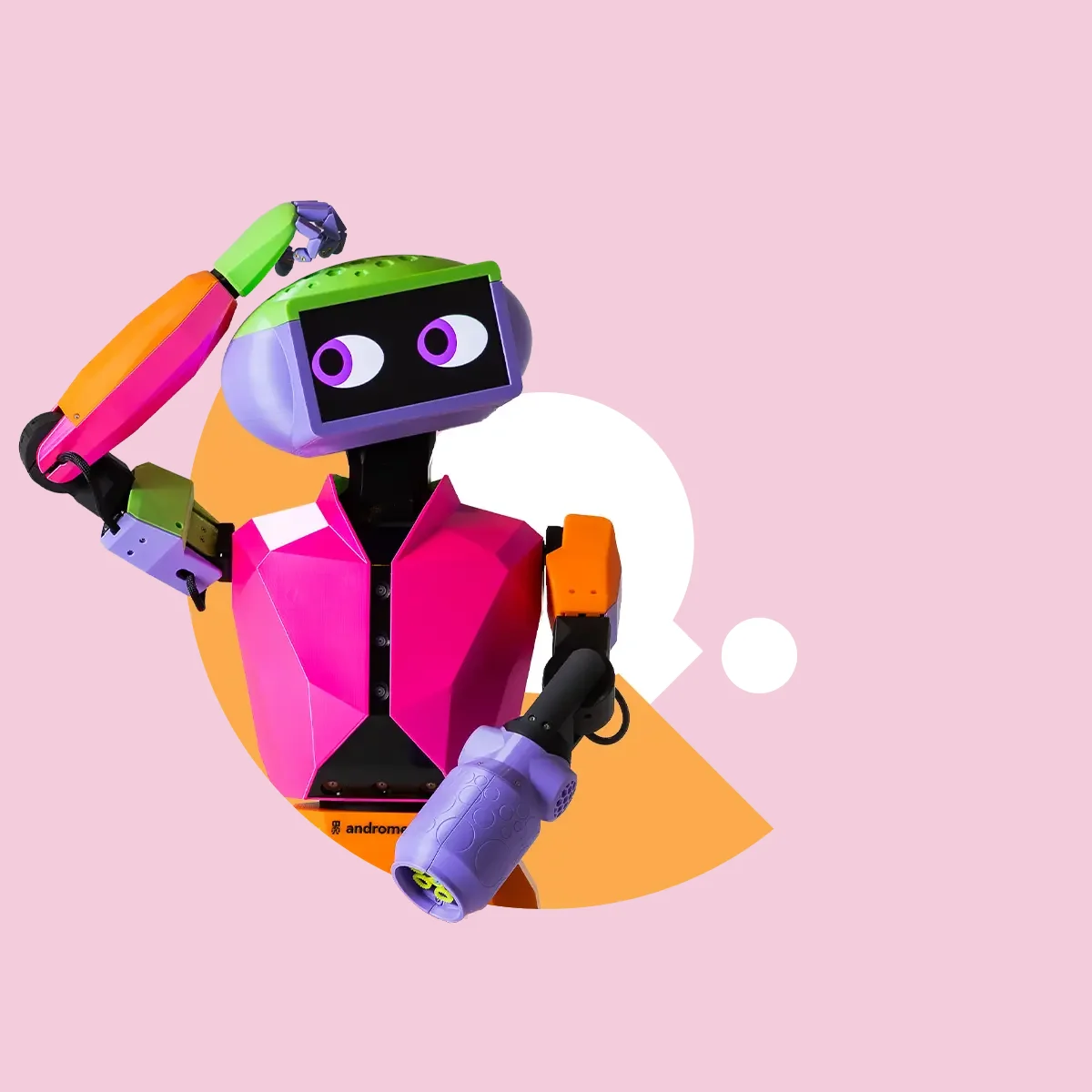
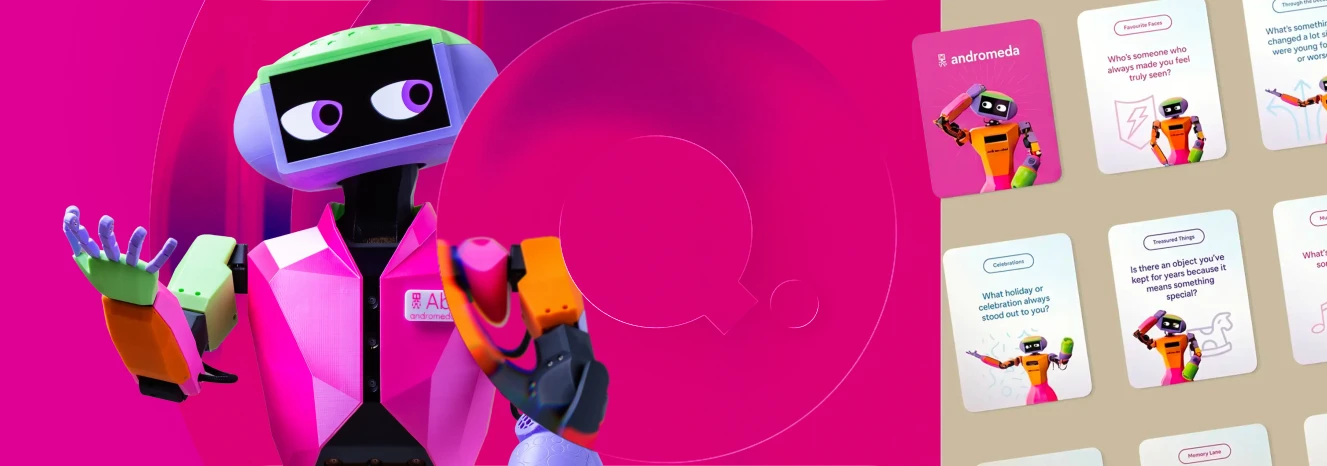
Andromeda Robotics exhibition graphics introducing Abi the companion robot

Introducing unfamiliar technology with warmth.

Andromeda needed to introduce Abi, a companion robot for aged care, to people who had never met one and were not certain how to respond. Qualls built the first meeting around empathy rather than technical novelty.

An exhibition stand, banner system and conversation cards gave Abi a warm public introduction and turned curiosity into conversation.

View the Andromeda Robotics case study

Questions about launches and campaigns.

Can Qualls create a campaign within an existing brand?

Yes. We can work inside an established identity while developing a distinct campaign idea, message and visual system for the moment.

Can you produce the campaign as well as develop the idea?

Yes. A scope can cover creative strategy through to websites, content, film, motion, presentations, print, outdoor and event materials. Specialist production partners can be added where the work requires them.

When should we involve Qualls?

As early as practical. Early involvement gives the strategy, idea, channels and production requirements time to inform one another. If the date is already fixed, we establish the priorities and work backwards from it.

Start here

Have a date but not yet the idea?
Bring it over.

Start the conversation

Audience & focus groups

Get real insights.

Audience and focus groups means asking the people you are trying to reach what they actually think, before you commit a budget to guessing. That can be a moderated focus group, one-to-one interviews, or a structured test of a name, a line or a campaign route. The point is the same: real reactions from real people, gathered in a way you can act on.

It matters because the room you are pitching in is not the room the work lands in. Internally, everyone already knows the offer, so everything sounds clear. Your audience is scrolling, comparing, busy or unsure. Research tells you what they understand on first read, what they skim past, and where a message they were never confused about is quietly losing them.

We keep it honest. We write neutral questions, separate what people say from what they do, and report the uncomfortable findings as plainly as the flattering ones. You get the verbatim quotes and a clear read on what to change, not a deck that confirms a decision already made. The aim is fewer expensive guesses in the design rounds later.

Open page

Messaging & narrative

The story, in the right order.

Messaging and narrative is the case you make and the order you make it in. Most brands have the parts: a few claims, some features, a reason to care. What they lack is sequence. Said in the wrong order, true things still fail to land. We decide what comes first, what follows, and what can wait, so the argument builds instead of piling up.

This matters because attention is short and proof is everything. A claim with nothing under it reads as noise. We put the evidence directly beneath each point, then cut anything the case does not need. The result is one story your whole team can repeat, on a homepage, in a pitch room or in a quote email, instead of five versions competing for the same breath.

We start by getting the single core message straight, then build the hierarchy of supporting points around it and pressure-test the order out loud. From there it travels: every channel carries the same few ideas, weighted the same way. Get this right early and you stop relitigating it in design rounds and launch week.

Open page

Paid media (SEM)

Maximise your reach.

Paid search puts you in front of people at the exact moment they are looking for what you sell. They type the problem, you answer it, and the click costs money either way. The discipline is making sure that money buys intent, not noise: the right keywords, the right match types, and ads that speak to a specific search rather than a vague brand wish.

Done badly, paid media is a tax you pay for traffic that never converts. Done well, it is the fastest line you have between a question and a sale, and the clearest read on what your market actually wants. We treat the click as the start, not the win. The ad has to match the landing page, the landing page has to match the promise, and the whole path has to be worth someone's time.

We start with the searches that signal a buyer, not a browser. We write ads that earn the click and pages that honour it, then we watch the numbers that matter: cost per lead, conversion rate, return on spend. Budget moves to what works and away from what does not. No vanity clicks, no set-and-forget, just spend you can account for.

Open page

UX & journey mapping

Design with the user in mind.

UX and journey mapping is the work of plotting the path someone takes from first landing to doing the thing you want them to do. Where they arrive, what they need to know, what they are trying to decide, and what gets in the way. We map the real route, not the one on the org chart, because a brand is judged on whether the next step is obvious, not on how good the homepage looks.

It matters because most sites lose people in the gaps. A confusing menu, a form that asks too much, a service page that buries the answer. Every one of those is a place where trust leaks out and someone leaves. Get the journey right and the rest of the build gets easier: the design has a job, the content has an order, and nobody argues about the homepage for three weeks.

We start by naming who is actually visiting and what each of them came to do. Then we map the flows, sketch the key screens in low fidelity, and pressure-test the path before a pixel is polished. We make the hard calls early so the finished thing feels effortless, which is the whole point. Plain routes, fewer dead ends, an obvious next step on every screen.

Open page

Advertising

Amplify your message.

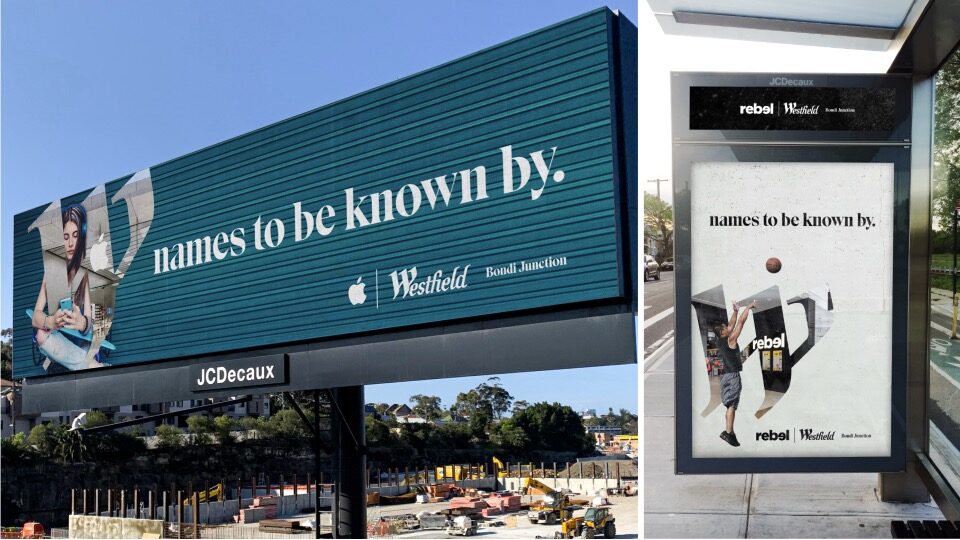
Advertising is how you reach people who are not looking for you yet. Most of the time you are competing for a few seconds: a glance at a screen, a scroll past a feed, a sign read from a moving car. The job is to land one clear idea in that moment, in a way that feels like you and not like everyone else who bought the same media.

We start with the message, not the format. What is the one thing this needs to make obvious, and who is it for. Then we build for the conditions: bold hierarchy and fast-read lines for out-of-home, tighter targeting and a reason to click for digital, a considered object for print. The creative changes per channel; the idea does not.

We also make the work earn its place after the click. An ad that sends people to a page that does not continue the story wastes the spend. So we plan the whole path, brief the media properly, and keep the campaign and the landing experience speaking the same language. Distinctive, not just loud. Useful, not just seen.

Open page

Copywriting

Words matter.

Copywriting is the work of saying the right thing in the fewest words. Not slogans for their own sake, but the headline that makes someone stop, the paragraph that answers the real question, the button label that earns the click. Most brands do not have a writing problem so much as a clarity problem: too many words, hedged too carefully, saying too little.

It matters because words carry the load your design sets up. A clean layout with vague copy still leaves people guessing. Plain, specific language tells someone what you do, why it is worth their time and what to do next, which is what turns attention into action. It is also the part of your brand people read most: the service page, the proposal, the email that lands in their inbox.

We start with what you actually need to say, then cut until only the true and useful part is left. We write to be read out loud, in your voice, not ours. Short sentences. Concrete nouns. No filler. Then we pressure-test it against the page, the screen and the moment someone is reading, because copy only works in context.

Open page

Photography & production

Capture the moment.

Photography is how most people meet your brand before they read a word of it. The product shot in the cart, the team on the about page, the crowd at the launch. If those images look thrown together, the work behind them looks thrown together too. Good photography does the opposite: it makes the quality real, on screen and in print.

We plan the shoot around where the images have to work, not just how they look on the day. Web, social, print, signage and presentation each crop and compress differently, so we shoot for all of them and direct on set to get usable frames, not just pretty ones. Product, lifestyle, portrait or event, the brief is the same: show the real thing clearly.

We art-direct, cast, source locations, shoot and edit, then hand back a tagged, sized library your team can actually use. The aim is a set of images that looks like one brand, holds up next to your competitors, and stays useful long after the shoot wraps.

Open page

Websites & digital products

Your flagship touchpoint.

Your website is usually the first real meeting. It is where people decide whether you are credible, whether you are for them, and whether to bother going further. The digital products around it carry the same weight: the portal a customer logs into, the booking flow, the internal tool your team lives in all day. These are not afterthoughts. They are the brand, doing its job, every day.

We build fast, considered websites and the digital products that sit alongside them. Fast because speed is part of the experience: a page that loads and responds respects the person using it. Considered because the structure underneath decides whether the thing is any good. We shape the content model around how you actually work, then design and build on top of it, so the site holds up as it grows and the people who run it are not stuck waiting on a developer.

We start with the questions, not the templates. What is this touchpoint for, who uses it, and what do they need to do without thinking about it. Then we make the important thing easy to find and hard to miss. The result is something that keeps working after launch: quick, clear, on brand, and built so your team can keep adding to it.

Open page

UI design

Seamless interaction.

UI design is the layer your customers actually touch: the screens, buttons, forms and flows of your website, app or product. It decides whether using your brand feels effortless or like hard work. Most products are not abandoned because the idea was wrong. They are abandoned because a step was confusing, a form asked too much, or nobody could find the thing they came for.

For a brand, the interface is where the promise gets tested. You can say you are easy to deal with, but the booking screen, the quote form and the account page are where you prove it. A clear interface reads as a clear company. A clumsy one undoes the work the logo and the launch film did.

We start with what people are trying to do and the order they do it in, then design the screens around that. Clear hierarchy, honest labels, states for loading, empty and error, and forms that respect someone's time. We design at real sizes with real content, hand engineering tidy specs, and pressure-test the flow on a phone before anyone calls it done.

Open page

Social media

Build your online presence.

Social media is where most people meet your brand between the big moments. Not the launch film, the everyday feed: the post, the reply, the story someone half-watches on the train. Done well, it grows an audience that actually wants to hear from you. Done as an afterthought, it reads like noise and trains people to scroll past.

We treat it as content and campaigns, not a posting quota. We work out what you have to say that is worth someone's attention, then make it land in a glance. Strong creative, a clear voice, formats built for how each platform is really used. We watch what earns engagement and what gets ignored, and we let that steer the next round rather than guessing.

The aim is a presence that compounds. Posts that look like you, sound like you and give people a reason to follow, share or get in touch. We can run the channels with you or set up a system your team runs day to day, so the work keeps going after the campaign ends.

Open page

Video & motion

Dynamic storytelling.

Video and motion are how a brand moves: a film that introduces the people behind the work, a logo that resolves with intent, an interface that responds as you use it. Done well, motion guides the eye and sets a pace. Done badly, it just spins and bounces and asks for patience you do not have.

We start with the message, not the effect. What is the one thing this clip has to land, and how long do we have before someone scrolls past? Then we work out what should move, what should hold still, and where the cut goes. Energy is not the same as noise. A still frame held a beat longer often reads as more confident than a screen full of motion.

We cover the range: short brand films cut for a homepage, animated product moments that show software actually working, motion built into the identity so the mark behaves the same everywhere it appears. We keep the files clean and sized for where they run, so the work loads fast and looks the same on a phone as it does in a boardroom.

Open page

Print & graphic design

Leaves an impression.

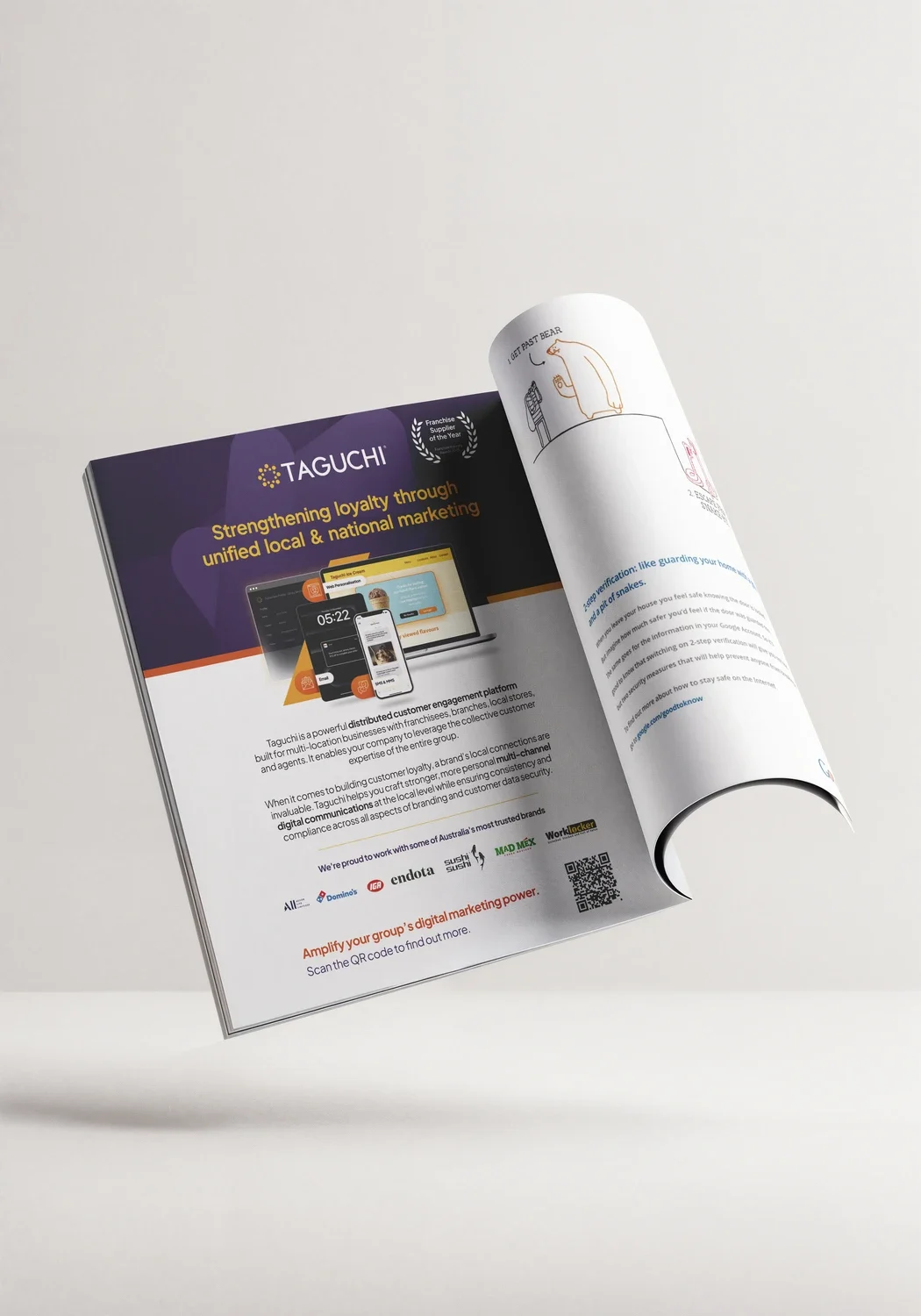
Print and graphic design is the brand made physical: the brochure left on a desk, the card handed across a table, the report someone actually reads to the end. It is the work that keeps going after the meeting, often the one piece of you a client takes home. Done well, it tells them what to think before they read a word.

It matters because print has nowhere to hide. A weak hierarchy, a stock photo, a colour that drifts off-brand, on a screen these slide past. On paper they sit there, in the hand, judged. Considered print signals that you take the detail seriously, which is exactly what most clients are quietly trying to work out about you.

We design for the job, not the portfolio. First the decision: what has to land, in what order, in the time someone actually gives it. Then the craft: typography that guides the eye, hierarchy that does the explaining, and production specified so the printed piece matches the proof. We sweat the stock, the finish and the fold, because that is where impressions are made or lost.

Open page